Book a Field Walk
Solution

Reinventing Industrial Inspection

Robotics-Driven, High-Confidence Corrosion Under Insulation (CUI) Inspection at Scale

Most inspection programs still operate with too much uncertainty. ARIX combines robotics, inspection expertise, and digital asset intelligence into one integrated solution—giving operators confidence in every integrity decision.

The ARIX Solution

End-to-End Inspection Service + Asset Integrity Intelligence

ARIX Technologies delivers the industry’s first robotics-driven, high-confidence CUI inspection solution at scale — an end-to-end managed service built on three connected capabilities. Inspections are carried out by ARIX-owned pipe-climbing robots using Pulsed Eddy Current (PEC), Real-Time Radiography (RTR), and Remote Visual Inspection (RVI), reducing reliance on scaffolding, rope crews, and manual access methods, with results delivered through the ARIX Inspection Portal.

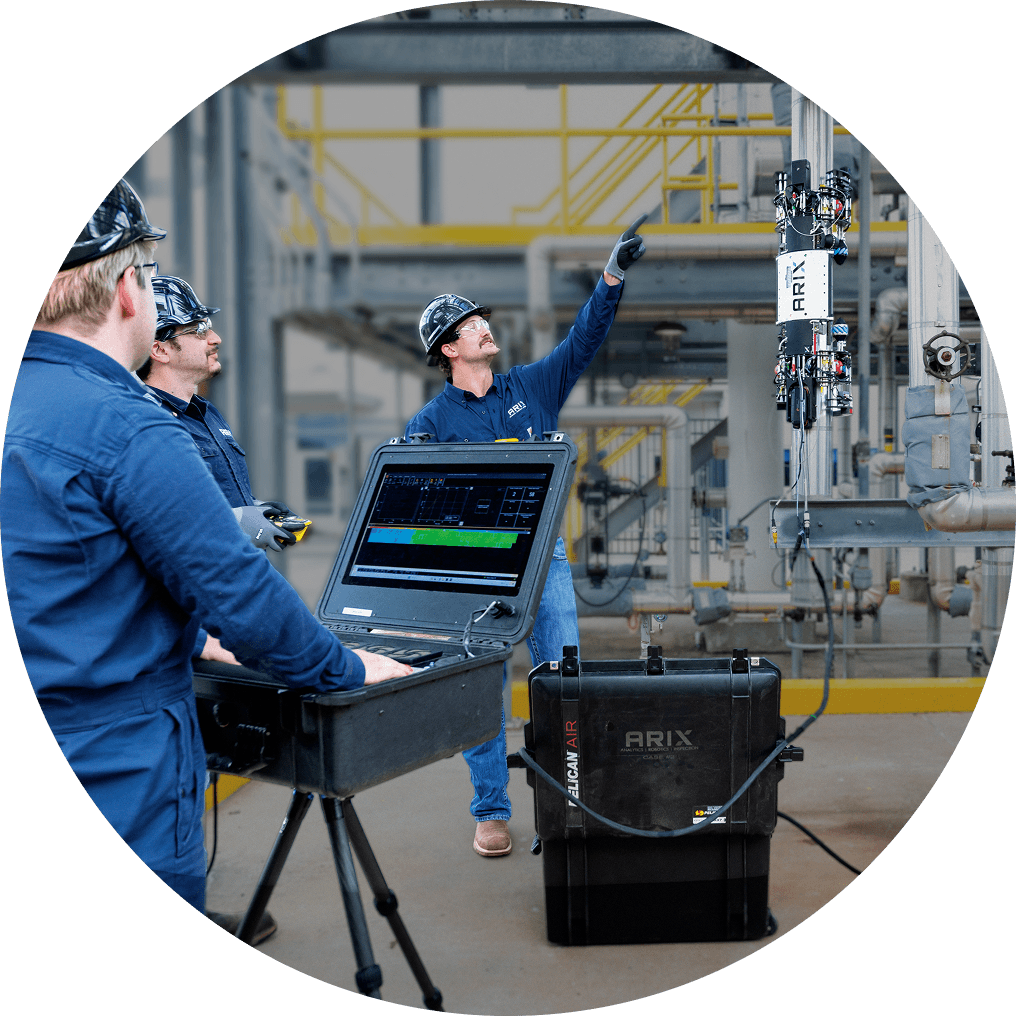
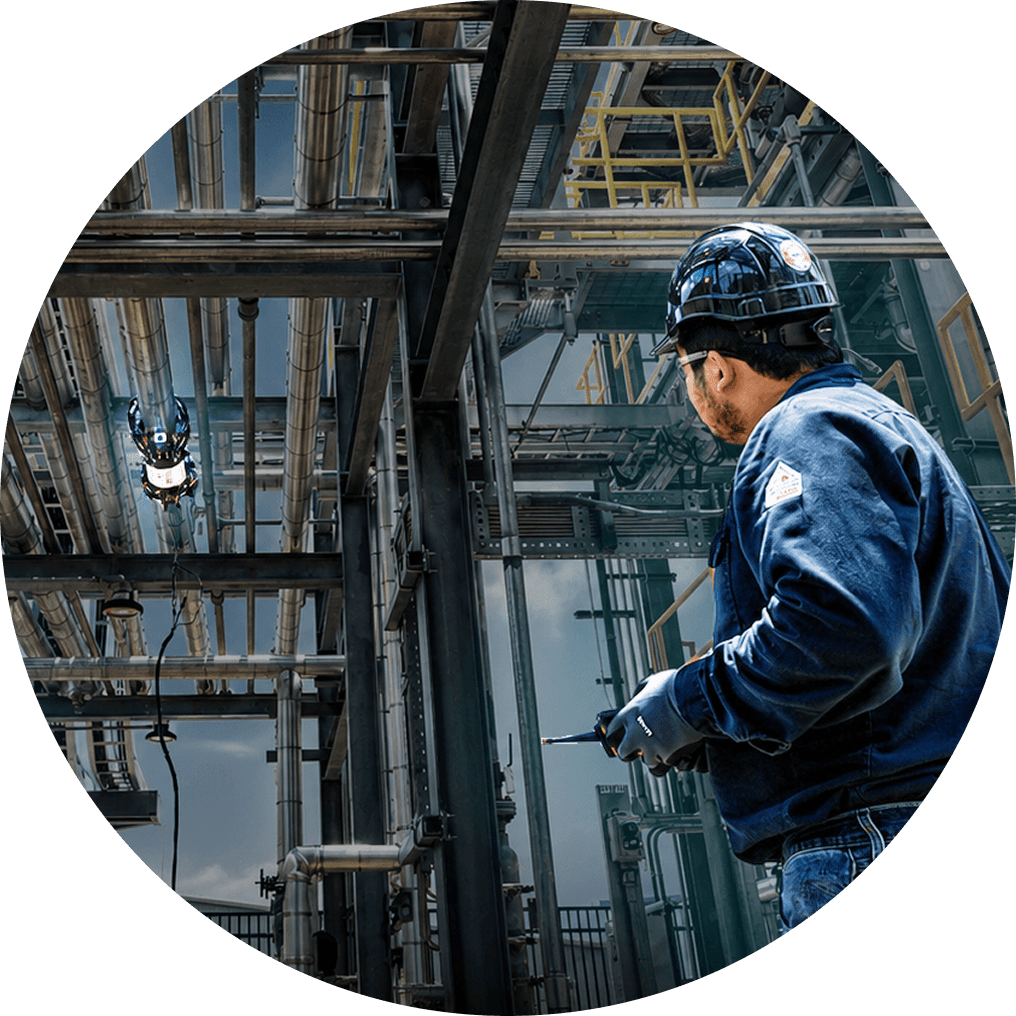
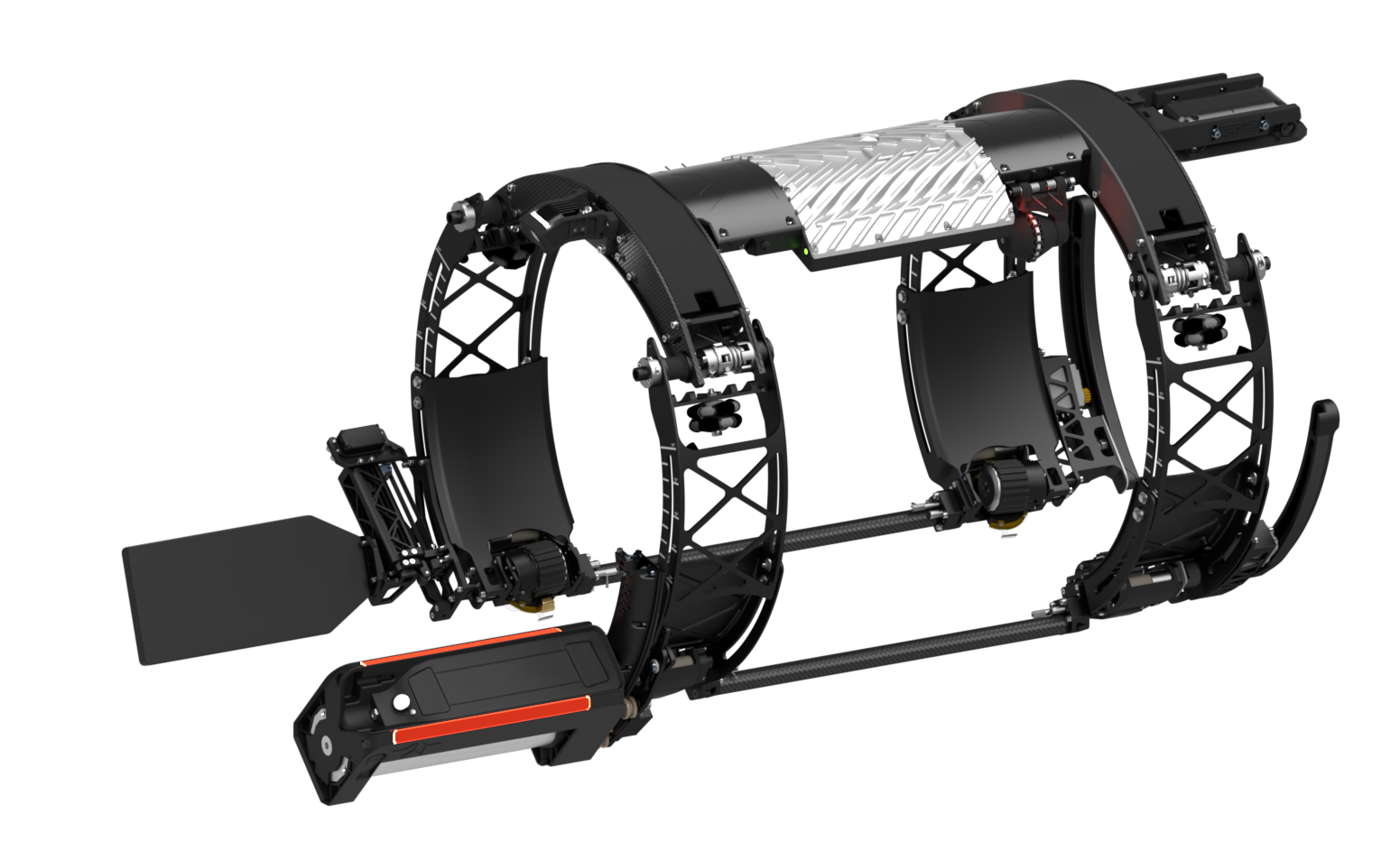
ARIX VENUS inspection robot
Robotic Inspection

VENUS Robot

ARIX-owned and operated inspection robots collect high-quality data using proven NDT technologies—Pulsed Eddy Current (PEC), Real-Time Radiography (RTR), and visual inspection—supplemented by manual inspection where needed to maximize coverage.

Learn More
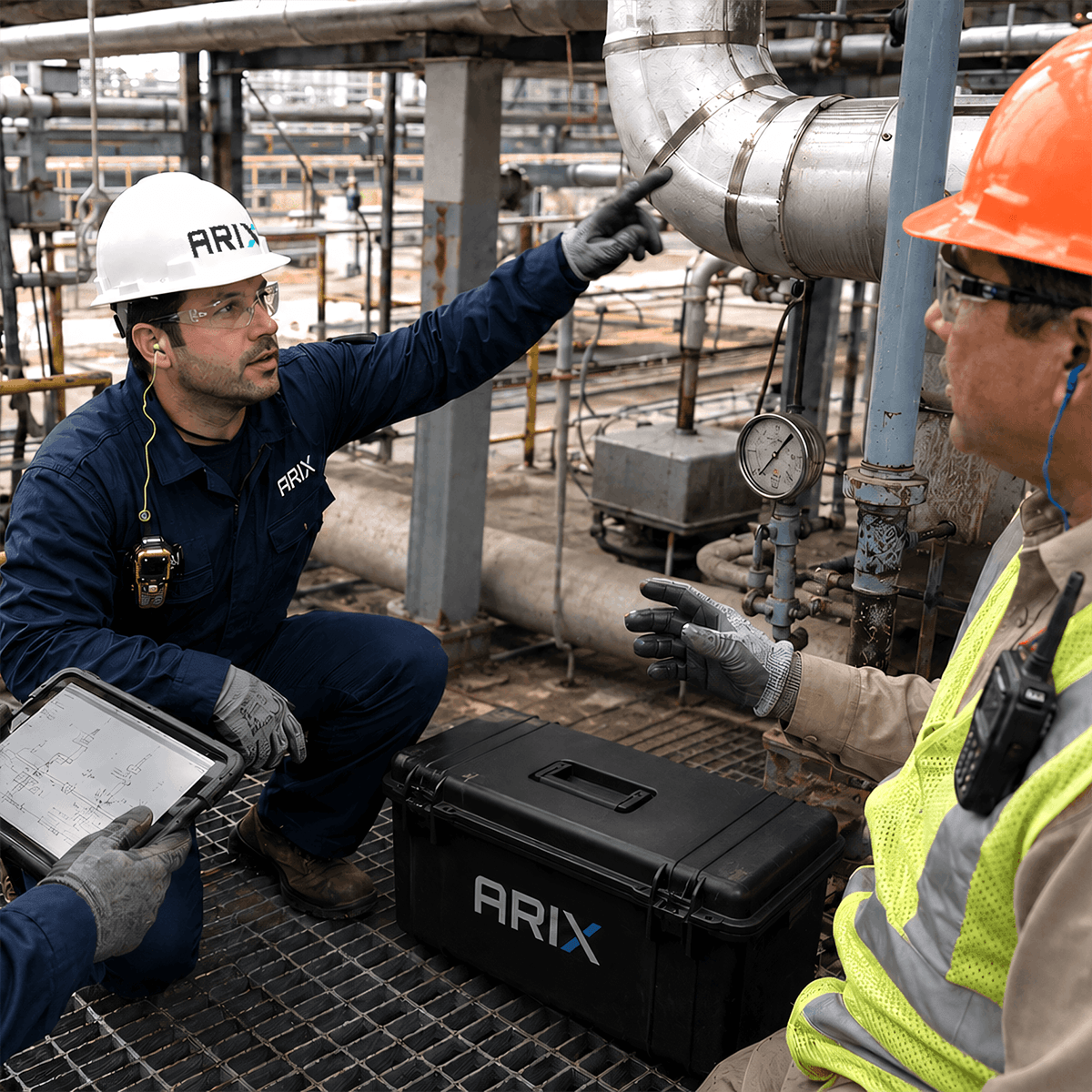
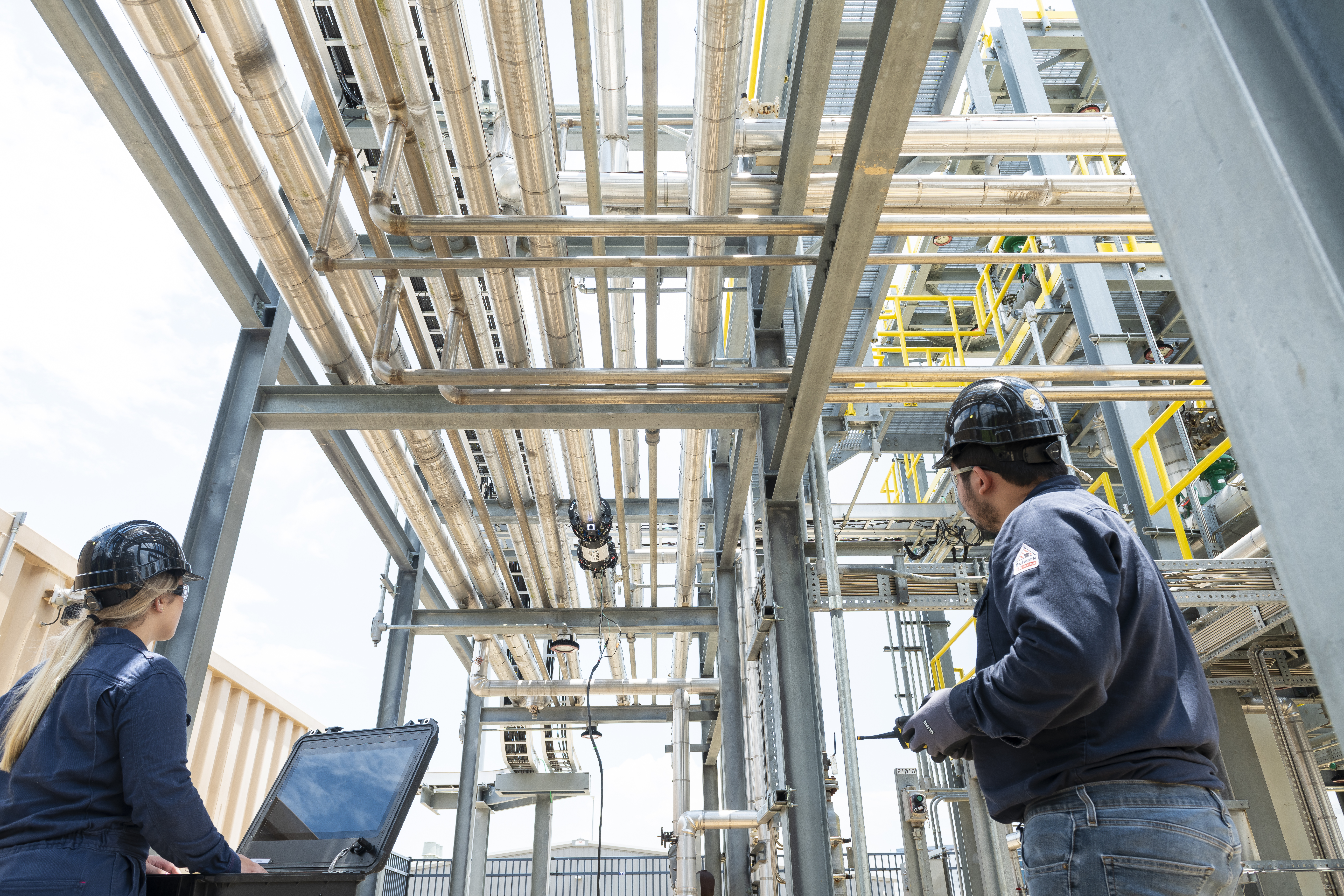
ARIX field team conducting an inspection
Integrated Support

End-to-End Inspection Service

From initial field walk and scoping through data validation and final delivery, ARIX manages the entire inspection lifecycle. Customers work with one partner instead of coordinating multiple contractors, methods, and reporting systems.

Learn More
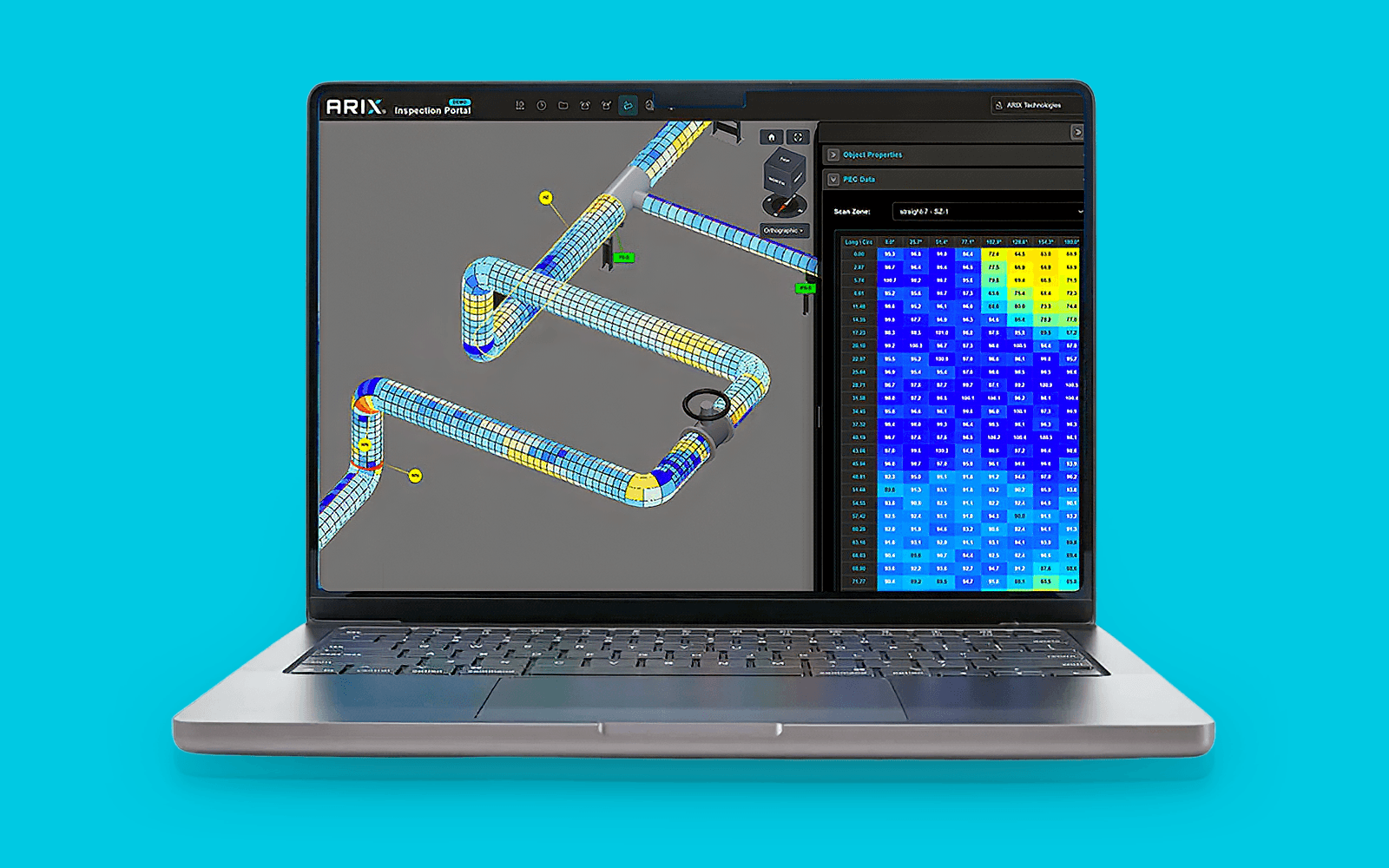
ARIX Inspection Portal
Digital Delivery

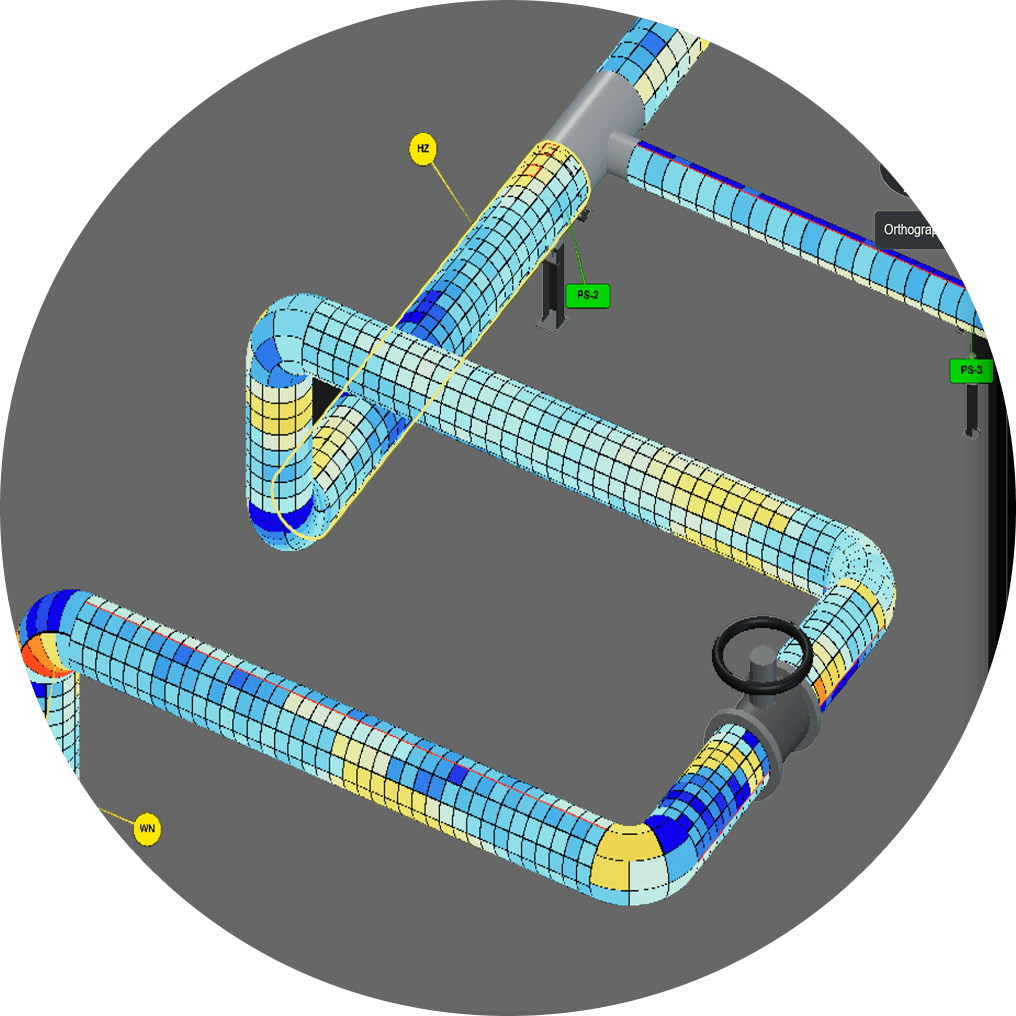
ARIX Inspection Portal

Inspection data is processed, localized, validated, and delivered through the ARIX Inspection Portal—interactive access to results, asset condition, and historical records in a single digital environment.

Learn More

Better Data. Safer Operations. Smarter Decisions.

ARIX helps operators replace uncertainty with complete condition visibility.

Complete Inspections Faster

Reduce reliance on scaffolding, rope crews, and manual access methods.

Higher Quality Data

Improve consistency, localization, and confidence in inspection results.

Improved Safety

Keep personnel out of hazardous environments while robots perform the work.

Actionable Asset Intelligence

Turn inspection data into decision-ready information for maintenance planning and integrity management.

Industries

Industries We Serve

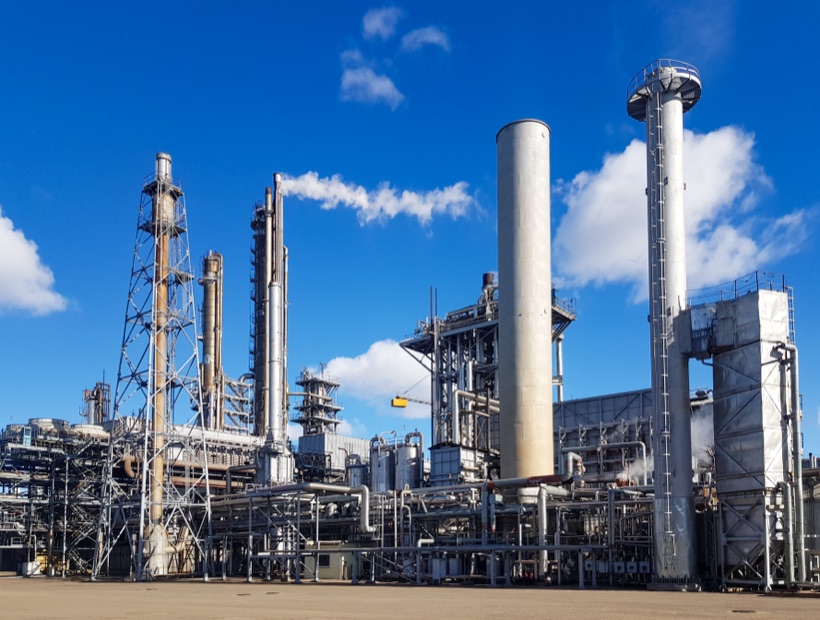
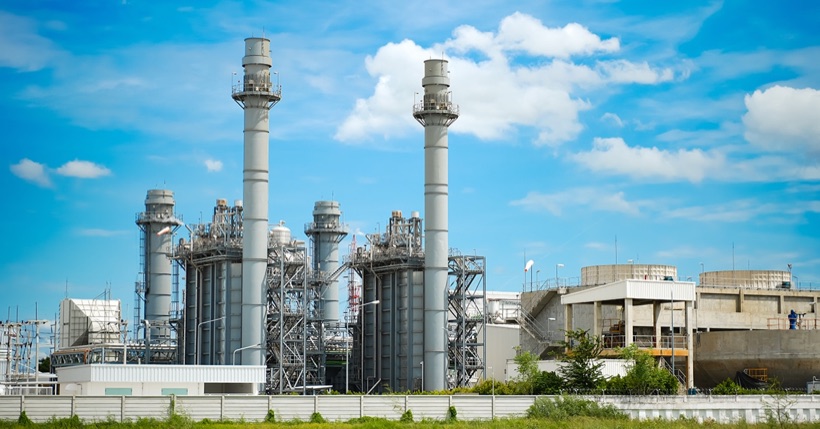
ARIX supports asset-intensive operations where corrosion management, asset integrity, and inspection reliability are critical.

Bring confidence to every integrity decision.

Book a field walk and see how ARIX combines robotics, inspection expertise, and digital asset intelligence into one integrated solution.

Book a Field Walk

How robotic CUI inspection works

How PEC, RTR, and RVI detect corrosion through insulation

CUI is hard to find precisely because the damage is hidden beneath a protective thermal covering. Traditional inspection programs rely on spot checks covering only a small percentage of an asset, because every additional inspection point could carry the cost of insulation removal and access.

PEC testing is an advanced non-destructive electromagnetic inspection method used to measure wall thickness and detect corrosion in steel and iron structures, without stripping the insulation back.

When the measurement can be taken through the insulation and the sensor is carried by a robot that climbs the pipe, continuous scanning becomes possible without disrupting operations.

ARIX pairs PEC with RTR and RVI to assess internal asset condition and delivers results. Manual inspection is used where needed for edge cases, verification, or locations requiring additional assessment.

Where robotic inspection meets API 570 practice

API 570 governs in-service piping inspection. It requires regular inspection by API 570-certified inspectors, emphasizes calculating corrosion rates to determine inspection intervals and predict potential failures, and allows Risk-Based Inspection to prioritize high-risk piping and optimize schedules.

API 570 provides clear guidelines for detecting and preventing CUI, but traditional inspection methods to satisfy them are labor-intensive and costly. Robotic inspection addresses the data side of that problem — corrosion-rate calculations and RBI rankings are only as reliable as the coverage behind them, and inspection data generated by ARIX can be used to inform RBI strategies, maintenance planning, and integrity management decisions.

For a fuller treatment of the standard and its CUI provisions, see API 570 & CUI: Guide to Piping Inspection & Corrosion Prevention.

Robotic Inspection vs. Manual Inspection Methods

ARIX Robotic inspection Manual inspection
Access MethodA pipe-climbing robot carries inspection sensors directly on the asset while personnel remain on the ground or use limited access methods when required.Inspectors typically access piping using scaffolding, rope access, aerial lifts, or other elevated work platforms.
Inspection CoverageEnables significantly greater inspection coverage, usually 85-100%, across large sections of piping, supporting more comprehensive condition assessments.Inspections are often limited to selected locations due to access, time, and cost constraints, which are likely to cover only 3-5% of the asset.
Worker Safety ExposureReduces personnel exposure to working at height, scaffolding, rope access, process hazards, and other difficult-to-access environments.Requires personnel to work at elevation and spend more time in potentially hazardous operating areas.
Access & Preparation CostsCan reduce costs associated with scaffolding, access preparation, and inspection logistics.Often incurs additional costs as much as $500k or more for access equipment, scaffold construction, and labor.
Schedule EfficiencyInspection data can be gathered with minimal access preparation, helping accelerate inspection programs.Inspection schedules may be extended by access planning, scaffold installation, and dismantling activities.
Data OutputDigital reporting, analytics, and historical inspection records through the ARIX Inspection Portal, enabling repeatable asset tracking.Conventional reports provide inspection findings and localized verification using established industry workflows.

ARIX combines robotic and manual methods where appropriate, using manual inspection for verification and for locations that require additional assessment.